




The Recommended Reading Path for Donald J. Sobol
When diving into the works of Donald J. Sobol, readers are entering a world built on logic, keen observation, and interactive puzzles. The best reading path is straightforward: start with his legendary detective series before branching out into his adult-oriented puzzle books, standalones, and quirky non-fiction collections. Because of the unique, episodic format of Sobol's most famous stories, you do not need to stick strictly to publication order to enjoy them, but starting at the very beginning offers the perfect introduction to his style.
Where to Start: The Boy Detective of Idaville
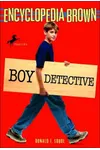
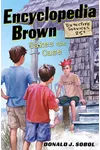
The absolute best place to start is with the first book in his signature series, Encyclopedia Brown, Boy Detective (1963). This book introduces the ten-year-old sleuth Leroy "Encyclopedia" Brown, his tough-as-nails partner Sally Kimball, and the neighborhood bully Bugs Meany. The first book perfectly establishes the rules of the game: ten short, self-contained mysteries where all the clues are laid out in the text, and the solutions are printed at the back of the book. Reading this first helps you understand the formula and pacing that Sobol utilized for nearly fifty years.
Moving to Dr. Haledjian and Older Mysteries
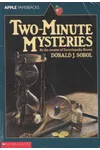
Once you or your young readers have mastered the neighborhood crimes of Idaville, the next logical step is Sobol's Two-Minute Mysteries series. Featuring the brilliant Dr. Haledjian, these stories were originally written for syndicated newspaper columns. They are even shorter, sharper, and aimed at slightly older readers who want a quick mental workout. Start with the original Two-Minute Mysteries (1969) before moving to the sequels.
Understanding the Encyclopedia Brown Continuity and Caveats
One of the most comforting aspects of the Encyclopedia Brown series is its lack of strict continuity. Over the course of 30 books published between 1963 and 2013, Leroy Brown remains perpetually ten years old, Sally Kimball is always his loyal associate, and Bugs Meany never stops trying to swindle the kids of Idaville. There are no multi-book story arcs, no character deaths, and no dramatic status quo shifts.
This means you can read the books in absolutely any order. If you find a copy of volume 15 or 25 at a library or yard sale, you can read it immediately without feeling lost. However, purists who enjoy seeing the subtle modernizing of technology and terminology over the decades will prefer following the publication timeline.
The Unique Case of the Co-Authored Cook Book
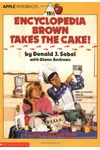
Within the main line of 30 books, there is one major oddity: Encyclopedia Brown Takes the Cake! (1982). This book is unique because it was co-authored by Donald J. Sobol and Glenn Andrews. Rather than just a standard collection of cases, this book combines Sobol's classic short mysteries with real recipes and cooking tips. It functions as a hybrid narrative cookbook and is highly sought after by collectors for its unusual format.
The Complete Publication Order of Donald J. Sobol’s Works
For readers who want to experience Donald J. Sobol's career as it unfolded, here is the complete breakdown of his books across his primary series, standalone novels, puzzle collections, and historical non-fiction.
Encyclopedia Brown Series
- Encyclopedia Brown, Boy Detective (1963)
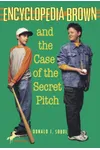
- Encyclopedia Brown and the Case of the Secret Pitch (1965)
- Encyclopedia Brown Finds the Clues (1966)
- Encyclopedia Brown Gets His Man (1967)
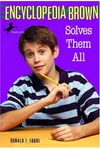
- Encyclopedia Brown Solves Them All (1968)
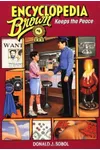
- Encyclopedia Brown Keeps the Peace (1969)
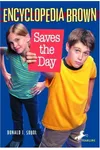
- Encyclopedia Brown Saves the Day (1970)
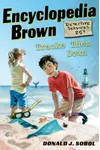
- Encyclopedia Brown Tracks Them Down (1971)
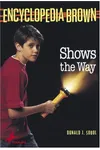
- Encyclopedia Brown Shows the Way (1972)
- Encyclopedia Brown Takes the Case (1973)
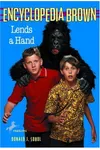
- Encyclopedia Brown Lends a Hand (1974)
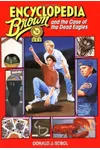
- Encyclopedia Brown and the Case of the Dead Eagles (1975)
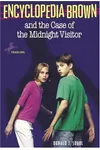
- Encyclopedia Brown and the Case of the Midnight Visitor (1977)
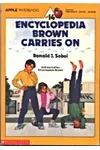
- Encyclopedia Brown Carries On (1980)
- Encyclopedia Brown Sets The Pace (1982)
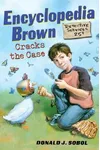
- Encyclopedia Brown Cracks the Case (1982)
- Encyclopedia Brown Takes the Cake! (1982) - Co-authored with Glenn Andrews
- Encyclopedia Brown and the Case of the Mysterious Handprints (1985)
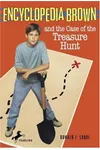
- Encyclopedia Brown and the Case of the Treasure Hunt (1988)
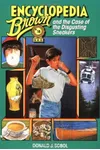
- Encyclopedia Brown and the Case of the Disgusting Sneakers (1990)
- Encyclopedia Brown and the Case of the Two Spies (1994)
- Encyclopedia Brown and the Case of Pablo's Nose (1996)
- Encyclopedia Brown and the Case of the Sleeping Dog (1998)
- Encyclopedia Brown and the Case of the Slippery Salamander (1999)
- Encyclopedia Brown and the Case of the Jumping Frogs (2003)
- Encyclopedia Brown, Super Sleuth (2009)
- Encyclopedia Brown and the Case of the Secret UFOs (2010)
- Encyclopedia Brown and the Case of the Carnival Crime (2011)
- Encyclopedia Brown and the Case of the Soccer Scheme (2012)
- Encyclopedia Brown and his Best Cases Ever (2013) - Posthumous commemorative collection
Standalone Novels
Though best known for his series, Sobol wrote several standalone children's and young adult novels spanning fantasy, mystery, and historical adventure.
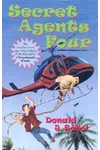
- Secret Agents Four (1967)
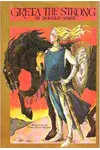
- Greta the Strong (1970)
- Milton, the Model A (1971)
- Angie's First Case (1981)
- The Amazing Power of Ashur Fine (1986)
- My Name is Amelia (1994)
Two-Minute Mysteries & Other Collections
These collections are designed for quick solving, focusing on logic puzzles and short-form crime fiction.
- Two-Minute Mysteries (1969)
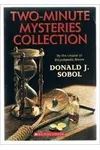
- Two-Minute Mysteries Collection (1969)
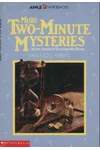
- More Two-Minute Mysteries (1971)
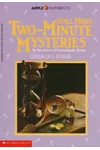
- Still More Two-Minute Mysteries (1975)
Non-Fiction Books
Sobol had a deep interest in history, which reflected in several non-fiction titles. Later in his career, he also published several factual trivia books branded with the Encyclopedia Brown name to appeal to his core demographic.
- The Wright Brothers At Kitty Hawk (1961)
- The Amazons of Greek Mythology (1973)
- True Sea Adventures (1975)
- Encyclopedia Brown's Record Book of Weird and Wonderful Facts (1979)
- Disaster (1979)
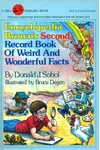
- Encyclopedia Brown's Second Record Book of Weird and Wonderful Facts (1981)
- Encyclopedia Brown's Book of Wacky Crimes (1982)
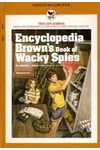
- Encyclopedia Brown's Book of Wacky Spies (1984)
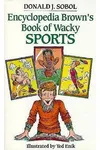
- Encyclopedia Brown's Book Of Wacky Sports (1984)
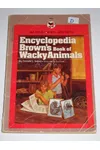
- Encyclopedia Brown's Book of Wacky Animals (1985)
- Encyclopedia Brown's Third Record Book of Weird and Wonderful Facts (1985)
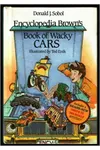
- Encyclopedia Brown's Book of Wacky Cars (1987)
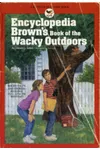
- Encyclopedia Brown's Book of the Wacky Outdoors (1987)
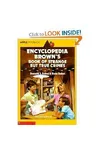
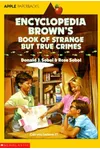
- Encyclopedia Brown's Book Of Strange But True Crimes (1992)
What to Know Before You Start
Donald J. Sobol’s books are interactive games disguised as literature. To get the most out of them, keep these tips in mind:
- Keep a notepad handy: Sobol loves to hide clues in plain sight, often relying on calendar dates, geographical facts, physical properties (like how ice melts or how shadows fall), and wordplay.
- Observe the illustrations: In some editions of the books, the accompanying illustrations contain vital visual clues necessary to solve the mystery. Don't skip looking closely at the art!
- Understand the era: Because the early books were written in the 1960s and 1970s, some of the clues rely on dated cultural references, older technologies (like rotary phones or manual typewriters), or classic idioms. Keep this historical context in mind if a solution seems unusually obscure.
Practical Reader Advice and Standalone Feasibility
If you are looking for spin-offs or companion works, Sobol's standalone novel Angie's First Case (1981) is highly recommended. It serves as a spiritual companion to the Encyclopedia Brown books, featuring a sharp young female lead solving mysteries, but with a slightly more continuous narrative structure. Additionally, the non-fiction "Wacky" books are excellent fun for kids who love trivia and strange-but-true historical anecdotes, serving as great gateway reading material.