





How to Read Donald J. Trump's Books
Donald J. Trump's literary catalog is best understood not as a single narrative series, but as a collection of autobiographical advice, business strategies, and political platforms. To get the most out of his books, you can approach them through two primary paths depending on your interests: the Business and Wealth Path or the Political Platform Path.
1. The Business and Wealth Path
This is the classic starting point and covers his rise as a real estate developer, his financial struggles and subsequent recovery in the 1990s, and his media expansion in the 2000s. For this path, we recommend reading the core memoirs and advice books chronologically to follow the arc of his career:
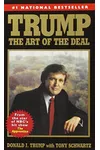
- Trump: The Art of the Deal (1987) – The essential starting point that established his public brand and deal-making philosophy.
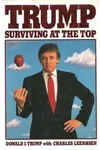
- Trump: Surviving at the Top (1990) – Written during a period of high debt and financial crisis, providing a raw look at his survival strategies.
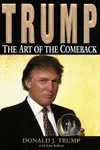
- Trump: The Art of the Comeback (1997) – Details his return to profitability and the rebuilding of his empire.
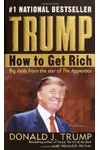
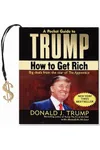
- Trump: How to Get Rich (2004) – Capitalizes on his success with the reality TV show The Apprentice, focusing on management and leadership.
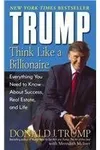
- Trump: Think Like a Billionaire (2004) – Offers advice on real estate, finance, and the mindset required for high-level success.
2. The Political Platform Path
If you are interested in how his business philosophy translated into public policy and his presidential campaigns, you should focus on his political manifestos. These books show the shifting tone of his public policy statements over fifteen years:
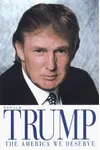
- The America We Deserve (2000) – Released during his Reform Party presidential exploration; outlines early positions on health care, tax reforms, and foreign policy.
- Time to Get Tough (2011) – Criticizes the Obama administration and sets the groundwork for his eventual 2016 campaign.
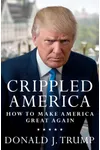
- Crippled America (2015) (later retitled Great Again) – The formal campaign manifesto outlining his core "Make America Great Again" platform.
Publication Order of Non-Fiction Books
Reading the books in order of their release allows you to witness Trump's changing focus, from Manhattan skyscrapers to global licensing, and ultimately to national politics. Here is the publication order of his primary non-fiction books:
- Trump: The Art of the Deal (1987)
- Trump: Surviving at the Top (1990)
- Trump: The Art of the Comeback (1997)
- The America We Deserve (2000)
- Trump: How to Get Rich (2004)
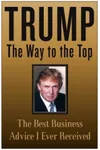
- The Way to the Top: The Best Business Advice I Ever Received (2004)
- Trump: Think Like a Billionaire (2004)
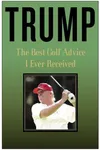
- Trump: The Best Golf Advice I Ever Received (2005)
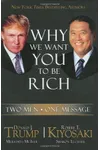
- Why We Want You to Be Rich: Two Men, One Message (2006)
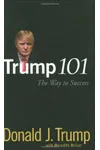
- Trump 101: The Way to Success (2006)
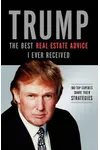
- The Best Real Estate Advice I Ever Received (2006)
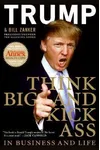
- Think Big and Kick Ass in Business and Life (2007)
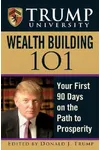
- Trump University Wealth Building 101 (2007)
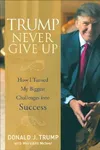
- Never Give Up: How I Turned My Biggest Challenges into Success (2008)
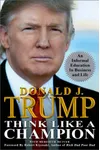
- Think Like a Champion: An Informal Education in Business and Life (2009)
- Time to Get Tough: Making America #1 Again (2011)
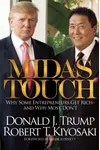
- Midas Touch: Why Some Entrepreneurs Get Rich—and Why Most Don't (2012)
- Crippled America: How to Make America Great Again (2015)
Understanding Co-Authors and Collaborations
A key aspect of Donald J. Trump's bibliography is his extensive use of co-authors and ghostwriters, which is standard practice for high-profile business leaders. Recognizing these collaborators helps clarify the writing styles and perspectives found in each book:
- Tony Schwartz: Co-wrote The Art of the Deal. Schwartz conducted extensive interviews and shadowed Trump to capture his voice.
- Charles Leerhsen: Co-wrote Surviving at the Top, capturing the intense pressure of Trump's early-1990s financial restructuring.
- Kate Bohner: Co-wrote The Art of the Comeback, focusing on the fast-paced recovery and negotiation deals of the mid-to-late 1990s.
- Dave Shiflett: Collaborated on The America We Deserve, translating Trump's early political ideas into a cohesive policy agenda.
- Meredith McIver: Perhaps his most frequent collaborator, McIver assisted on How to Get Rich, Think Like a Billionaire, The Way to Success, Never Give Up, and Think Like a Champion. Her contributions span his media-heavy "Apprentice" era.
- Robert Kiyosaki: The bestselling author of Rich Dad Poor Dad co-authored Why We Want You to Be Rich and Midas Touch, focusing on financial literacy and entrepreneurial grit.
- Bill Zanker: Co-authored Think Big and Kick Ass, which reflects a more aggressive, motivational style compared to his earlier advice books.
- Wynton Hall: Assisted on the political book Time to Get Tough.
Trump University and Audio Programs
During the mid-2000s, Donald J. Trump expanded his brand into adult education under the Trump University banner. This produced a series of structured instructional books, home-study courses, and audiobooks. These materials are distinct from his main line of memoirs and are designed as educational lessons:
- Trump University Wealth Building 101 (2007): A print book designed as a 90-day program. While it features an introduction by Trump, the educational chapters were written by various financial and real estate experts.
- Audio Courses (2005–2010): Programs like Wealth Builders Blueprint, Real Estate Goldmine, Play to Win in Business and Life, Branding for Profit, and Get That Job were released primarily as audio guides. These often combined short spoken introductions by Trump with detailed instructional lessons delivered by professional coaches and specialists.
What to Know Before You Start
When starting Trump's books, it is helpful to keep a few contextual points in mind. First, these books are highly reflective of the eras in which they were written. The advice in The Art of the Deal reflects the booming real estate market of the 1980s, whereas the political books of the 2010s focus heavily on national policy and media criticism. Second, because these books were produced with different co-authors, the tone can shift—some books focus on detailed real estate negotiations, while others read as short, motivational essays or policy statements. Reading them with an understanding of their historical context and co-authors provides a clearer window into his public branding history.