




















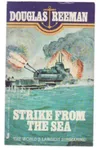


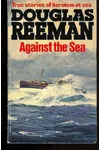
Where to Start with Douglas Reeman & Alexander Kent
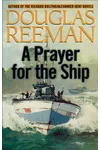
If you are new to the maritime worlds of Douglas Reeman (who also wrote under the celebrated pseudonym Alexander Kent), your entry point depends on the era you wish to explore. Reeman split his extensive bibliography into two distinct styles: the Age of Sail Napoleonic adventures featuring Richard and Adam Bolitho (written as Alexander Kent), and gritty 20th-century steel-ship naval warfare (written under his own name). For the grand historical sweep of wooden walls, rigging, and cannons, start with Midshipman Bolitho or To Glory We Steer. For fast-paced World War II action, his debut novel, A Prayer for the Ship, remains the definitive starting point.
The Pen Names: Reeman vs. Kent
Understanding the distinction between the two author names is crucial for navigating the library:
- Alexander Kent: This pseudonym was created to honor a close friend and fellow naval officer who died during World War World II. Under this name, Reeman wrote exclusively about the Age of Sail, specifically the 30-book Richard Bolitho series set during the late 18th and early 19th centuries.
- Douglas Reeman: Using his real name, he wrote contemporary naval fiction, predominantly set during World War I and World War II, drawing directly on his personal experience serving in the Royal Navy on destroyers and Motor Torpedo Boats (MTBs). Under this name, he also wrote the multi-generational Royal Marines saga following the Blackwood family.
The Richard Bolitho Series Reading Orders
The Bolitho series is one of the most celebrated naval sagas in fiction, spanning 30 books. Because Reeman wrote prequels and filled in gaps throughout his career, readers are faced with two main options for ordering their reading: Chronological Order (following the protagonist's life) or Publication Order (how the books were written and released).
Option 1: The Chronological Reading Order (Recommended for Continuity)
Reading chronologically allows you to watch Richard Bolitho grow from a green 16-year-old midshipman in 1772 into a battle-hardened admiral, and eventually transitions the protagonist role to his nephew, Adam Bolitho. This is the most popular reading path for readers who want to follow the characters' lives seamlessly.
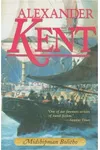
- Midshipman Bolitho (1975)
- Midshipman Bolitho and the Avenger (1976)
- Band of Brothers (2005)
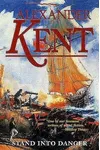
- Stand into Danger (1976)
- In Gallant Company (1977)
- Sloop of War (1971)
- To Glory We Steer (1968)
- Command a King's Ship (1973)
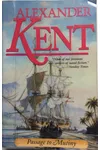
- Passage to Mutiny (1976)
- With All Despatch (1989)
- Form Line of Battle (1969)
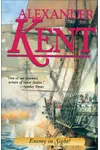
- Enemy in Sight (1969)
- The Flag Captain (1971)
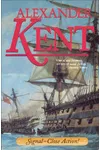
- Signal-Close Action! (1973)
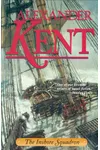
- The Inshore Squadron (1978)
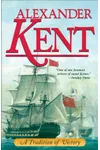
- A Tradition of Victory (1981)
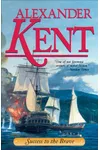
- Success to the Brave (1983)
- Colours Aloft! (1986)
- Honour this Day (1987)
- The Only Victor (1990)
- Beyond the Reef (1992)
- The Darkening Sea (1993)
- For My Country's Freedom (1995)
- Cross of St. George (1996)
- Sword of Honour (1998) - Note: This book marks the transition to Adam Bolitho.
- Second to None (1999)
- Relentless Pursuit (2001)
- Man of War (2002)
- Heart of Oak (2007)
- In the King's Name (2011)
Option 2: The Publication Reading Order
If you prefer to see how Reeman's style, depth, and worldbuilding evolved over time, you can read the books in the order they were published. The series began with To Glory We Steer in 1968, which introduces Richard Bolitho as a mature commander rather than a boy.
- To Glory We Steer (1968)
- Form Line of Battle (1969)
- Enemy in Sight (1969)
- The Flag Captain (1971)
- Sloop of War (1971)
- Command a King's Ship (1973)
- Signal-Close Action! (1973)
- Midshipman Bolitho (1975)
- Midshipman Bolitho and the Avenger (1976)
- Stand into Danger (1976)
- Passage to Mutiny (1976)
- In Gallant Company (1977)
- The Inshore Squadron (1978)
- A Tradition of Victory (1981)
- Success to the Brave (1983)
- Colours Aloft! (1986)
- Honour this Day (1987)
- With All Despatch (1989)
- The Only Victor (1990)
- Beyond the Reef (1992)
- The Darkening Sea (1993)
- For My Country's Freedom (1995)
- Cross of St. George (1996)
- Sword of Honour (1998)
- Second to None (1999)
- Relentless Pursuit (2001)
- Man of War (2002)
- Band of Brothers (2005)
- Heart of Oak (2007)
- In the King's Name (2011)
The Royal Marines Saga: Blackwood Family Series
Written under his real name, Douglas Reeman, this five-book historical series follows the generations of the Blackwood family serving in the Royal Marines. Unlike the Bolitho saga, the Blackwood Family books were written chronologically, tracing the family from the Crimean War in the 1850s to the mid-20th century. This series is highly recommended for readers who enjoy military fiction that spans multiple generations and conflicts.
- Badge of Glory (1982) - Set during the Crimean War.
- The First to Land (1984) - Set during the Boxer Rebellion in China.
- The Horizon (1994) - Set during World War I and the Battle of Gallipoli.
- Dust on the Sea (1999) - Set during World War II in the Mediterranean.
- Knife Edge (2004) - Set during the aftermath of World War II and the early Cold War.
Douglas Reeman's 20th-Century Naval Standalones
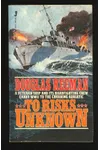
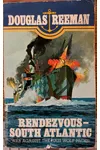
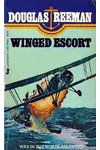
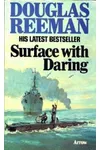
For readers who want to experience Reeman's writing without committing to a massive multi-book series, he published dozens of outstanding standalone novels. Most of these focus on the grit, camaraderie, and technological shifts of World War II, though a few venture into World War I or modern eras. They are known for their gripping, realistic depictions of life aboard smaller naval craft like destroyers, corvettes, submarines, and gunboats.
Key standalones to consider include:
- A Prayer for the Ship (1958): Reeman's debut novel, focusing on the crew of a Motor Torpedo Boat in the English Channel during WWII.
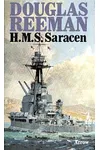
- H.M.S. Saracen (1965): A widely praised standalone tracking the career of a monitor ship and the men who serve aboard her through two World Wars.
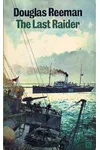
- The Last Raider (1963): A unique look at a German commerce raider during World War I, showing Reeman's skill at portraying the war from different perspectives.
- Torpedo Run (1981): An intense, claustrophobic story of sub-chasers operating in the Black Sea.
What to Know Before You Start
While C.S. Forester's Horatio Hornblower is often compared to Richard Bolitho, Reeman's work is characterized by a slightly darker, more realistic look at the physical and emotional toll of naval command. Bolitho is a human protagonist who experiences profound loss, career setbacks, and romantic struggles alongside his tactical successes. Additionally, Reeman's own experience during World War II gives his depiction of shipboard life—whether in 1805 or 1943—an authentic weight that few other authors can replicate.