






Where to Start: The Best Entry Points
Ed Greenwood's bibliography is vast, primarily because he created the Forgotten Realms—one of the most popular campaign settings in Dungeons & Dragons history. If you are new to his writing, there are two primary entry points depending on what kind of fantasy adventure you prefer.
Option 1: The Elminster Saga (Deep Lore & Character Focus)
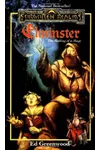
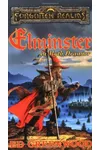
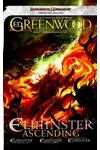
If you want to understand the history of the Realms through its most powerful, long-lived, and iconic wizard, start with Elminster: The Making of a Mage (1994). This novel serves as a prequel to the entire setting, exploring Elminster's early life, from a young, vengeful outlaw to a master of magic. It provides the perfect foundation for understanding the rules of magic, the gods (particularly Mystra), and the politics of Faerûrn.
Option 2: Shandril's Saga (Classic D&D Party Adventure)
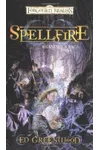
For readers who prefer a faster-paced, classic adventuring party dynamic with high stakes, start with Spellfire (1987). This was Greenwood's debut novel and introduces Shandril Shessair, a young woman who possesses the rare and highly coveted power of spellfire. It is an excellent showcase of Greenwood's signature style: high magic, dangerous monsters, and a desperate flight across the wilderness.
The Forgotten Realms Chronological Guide
Greenwood's Forgotten Realms fiction is divided into several subseries and standalone novels. Because the D&D setting's timeline has advanced through official game edition changes (such as the Spellplague in 4th Edition and the Sundering in 5th Edition), reading the books in publication order is highly recommended to avoid confusion about the state of the world.
1. The Core Elminster Sequence
This sequence follows the life and times of the Archmage of Shadowdale. While Elminster appears in countless other books, this is his central biographical arc:
- Elminster: The Making of a Mage (1994)
- Elminster in Myth Drannor (1997)
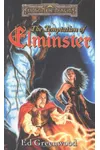
- The Temptation of Elminster (1998)
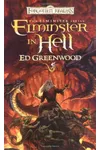
- Elminster in Hell (2001)
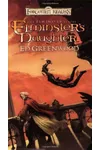
- Elminster's Daughter (2004)
2. The Sage of Shadowdale & Later Elminster Novels
Following a massive chronological leap in the campaign setting due to the Spellplague, Greenwood continued Elminster's story in a darker, more modern era. These books should be read in this exact order:
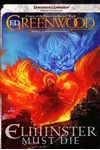
- Elminster Must Die (2010)
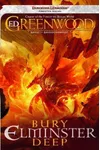
- Bury Elminster Deep (2011)
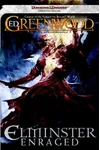
- Elminster Enraged (2012)
- The Herald (2014) – Note: This is also Book 6 of the multi-author Sundering series, but is a direct continuation of Elminster's story.
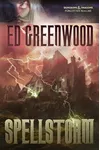
- Spellstorm (2015)
- Death Masks (2016)
3. Shandril's Saga
A trilogy focusing on the power of spellfire and the rogue organizations like the Cult of the Dragon and the Zhentarim trying to steal it:
- Spellfire (1987)
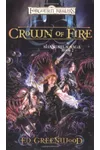
- Crown of Fire (1994) – Note: This book was also numbered as Book 8 in the multi-author "The Harpers" series.
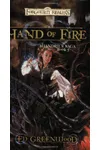
- Hand of Fire (2002)
4. Knights of Myth Drannor
A prequel trilogy focusing on a group of young adventurers who would go on to become legendary heroes in the Realms. This is a great starting point for readers who enjoy low-level adventuring that scales up to epic proportions:
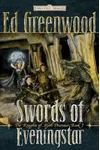
- Swords of Eveningstar (2006)
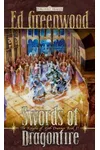
- Swords of Dragonfire (2007)
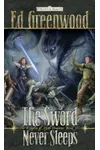
- The Sword Never Sleeps (2008)
5. The Cormyr Saga
Co-authored with Jeff Grubb and Troy Denning, this historical trilogy explores the royal family and history of the kingdom of Cormyr:
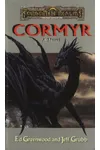
- Cormyr: A Novel (1996) – Co-authored with Jeff Grubb
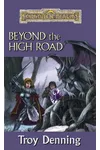
- Beyond the High Road (1999) – Written by Troy Denning, but acts as Book 2
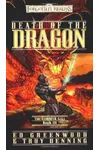
- Death of the Dragon (2000) – Co-authored with Troy Denning
6. Shadow of the Avatar Trilogy
This trilogy is set during the famous Time of Troubles (the Godswar) in the Realms. It details the struggle of the gods and the mortals caught in their wake:
- Shadows of Doom (1995)
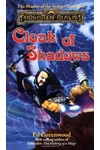
- Cloak of Shadows (1995)
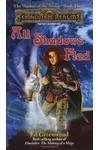
- All Shadows Fled (1995)
Non-Forgotten Realms Fantasy Worlds
For readers looking to experience Greenwood's world-building outside of the Dungeons & Dragons framework, he has penned several distinct fantasy series:
The Band of Four (Aglirta)
Set in the cursed world of Aglirta, this five-book series features a classic fantasy quest where a group of unlikely companions attempts to restore a fractured land:
- The Kingless Land (2000)
- The Vacant Throne (2001)
- A Dragon's Ascension (2002)
- The Dragon's Doom (2003)
- The Silent House: A Chronicle of Aglirta (2004)
The Falconfar Saga
This trilogy details a writer who is pulled into the very fantasy world he created, only to discover the dark realities of his own imagination:
- Dark Lord (2007)
- Arch Wizard (2008)
- Falconfar (2010)
A Novel of Niflheim
A Norse-inspired dark fantasy duology filled with valkyries, gods, and epic battles:
- Dark Warrior Rising (2007)
- Dark Vengeance (2008)
What to Know Before You Start
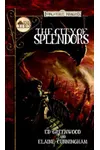
Because Ed Greenwood writes in shared universes, it's vital to keep a few things in mind. First, many series listed under Forgotten Realms (such as The Harpers, Pathfinder Tales, or Cities) are collaborative projects. For example, while the local data lists dozens of Pathfinder Tales books, Greenwood only wrote The Crusader Road (2014) and Liar's Island (2015). The other books in that series are standalone novels by other writers. Similarly, he only co-authored The City of Splendors (2005) with Elaine Cunningham for the Cities line.
Second, don't worry about reading every single Forgotten Realms book. Greenwood designed the world to be modular. You can read the entire Knights of Myth Drannor trilogy without having touched the Elminster books, and still have a complete, satisfying experience.