




Where to Start with Edmund Crispin
Edmund Crispin (the pseudonym of Robert Bruce Montgomery) wrote some of the most lighthearted, meta-fictional, and brainy locked-room mysteries of the post-war era. While his series detective, the Oxford don and professor of English language and literature Gervase Fen, does not undergo massive character shifts, reading the books in order lets you appreciate the evolution of Crispin's comedic style and clever puzzle-crafting.
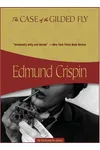
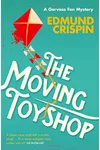
If you want to start at the absolute beginning, pick up The Case of the Gilded Fly (1944). However, many long-time fans recommend starting with his undisputed masterpiece, The Moving Toyshop (1946). It is the most famously farcical, features stellar Oxford atmosphere, and perfectly showcases the fourth-wall-breaking humor that defines the series.
Gervase Fen: The Novel Publication and Chronological Order
For Gervase Fen, the publication order is the chronological order. There are no confusing prequels or timeline jumps, making tracking the series straightforward. Below is the list of Gervase Fen novels, along with their alternative titles:
- The Case of the Gilded Fly (1944) — Also published as Obsequies at Oxford. The debut novel, set against a theatrical troupe in Oxford.
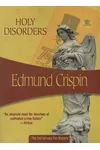
- Holy Disorders (1945) — Set in a cathedral town during World War II, involving espionage, murder, and organ music.
- The Moving Toyshop (1946) — The peak of the series, where a poet finds a dead body in a toyshop, only for the shop to vanish the next morning.
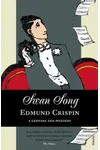
- Swan Song (1947) — Also published as Dead and Dumb. A hilarious mystery set in the world of opera.
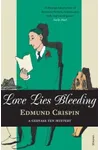
- Love Lies Bleeding (1948) — Fen searches for a lost Shakespeare play while solving murders at a prep school.
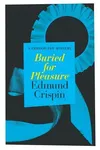
- Buried for Pleasure (1948) — Fen runs for Parliament in a rural constituency, encountering eccentric locals and murder.
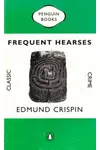
- Frequent Hearses (1950) — Also published as Sudden Vengeance. Set in the British film industry, reflecting Montgomery's real-life work as a film composer.
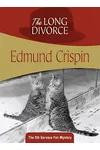
- The Long Divorce (1951) — Also published as A Noose for Her. A tighter, slightly darker plot set in a quiet English village.
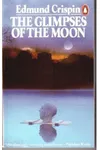
- The Glimpses of the Moon (1977) — Published after a 26-year hiatus, this final novel is a bloody, chaotic, and highly farcical swan song.
The Short Story Collections
In addition to the novels, Crispin wrote dozens of short stories featuring Gervase Fen. These are highly concise puzzles, originally written for newspapers like the Evening Standard. They are collected in two primary volumes:
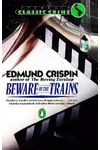
- Beware of the Trains (1953) — Crispin's first short story collection, containing 16 quick-witted cases.
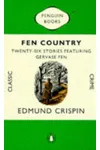
- Fen Country (1979) — A posthumous collection of 26 stories published shortly after the author's death.
Non-Fiction and Anthologies
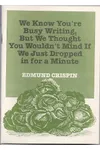
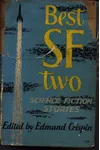
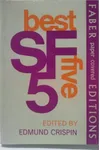
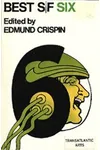
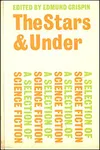
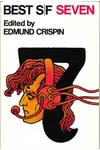
Beyond his detective stories, Crispin was a prominent editor and critic. Under his birth name, Bruce Montgomery, he composed film scores for classic British comedies like the Carry On films. In the literary sphere, he edited several anthologies, most notably the Best SF science fiction series, which introduced many British readers to the genre. He also penned a humorous piece on the frustrations of being an author, We Know You're Busy Writing But.... (1969), reflecting his struggles with writer's block and constant interruptions in his Devon cottage.
What to Know Before You Start
Crispin’s books are famous for their literary references, musical puns, and self-awareness. Characters will sometimes complain about the plot or explicitly mention that they are characters in a detective novel. Don't expect gritty realism; instead, prepare for a blend of P.G. Wodehouse's whimsy and John Dickson Carr's locked-room puzzles. Because the books are highly episodic, you can read them as standalones without any issue, though starting with The Moving Toyshop is highly recommended to get a true feel for his style.