
Where to Start with Edmund de Waal: The Recommended Reading Path
Although Edmund de Waal is a world-renowned ceramic artist, he is also celebrated for his beautifully crafted, lyrical non-fiction books. His writing explores the history of objects, the weight of memory, and the narratives of diaspora and loss. If you are new to his work, the best way to experience his writing is through his unofficial thematic trilogy of memoirs and historical narratives.
Here is our recommended reading path to get the most out of his storytelling:
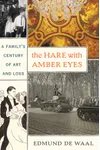
- Start here: The Hare with Amber Eyes (2010)
This is de Waal's breakout masterpiece and the perfect introduction to his literary voice. The memoir traces the history of his Jewish ancestry, the Ephrussi family, through a collection of 264 Japanese netsuke (tiny wooden and ivory carvings) that survived the rise of the Nazis. Starting here allows you to understand de Waal's personal connection to objects and historical trauma.
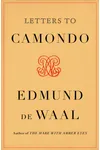
- Next: Letters to Camondo (2021)
This book is the direct thematic companion to The Hare with Amber Eyes. Set in the Belle Époque era, it is structured as 58 imaginary letters to Count Moïse de Camondo, whose family lived just a few doors away from the Ephrussis on the Rue de Monceau in Paris. It deepens the exploration of assimilation, art collecting, and the devastating impact of the Holocaust on prominent European Jewish families.
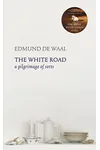
- Finally: The White Road: Journey Into an Obsession (2015)
Once you are familiar with de Waal's narrative style and family background, dive into this highly personal history of porcelain. De Waal chronicles his pilgrimage to the historical centers of porcelain production—Jingdezhen in China, Dresden in Germany, and Cornwall in England—interweaving the global history of "white gold" with his own lifelong obsession as a potter.
Publication Order of Edmund de Waal's Books
If you prefer to follow the development of de Waal's work chronologically, his publications span technical art monographs, edited anthologies, and narrative memoirs. Below is the complete publication order of his major books.
Major Non-Fiction & Memoirs
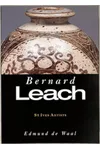
- St. Ives Artists: Bernard Leach (1997) – An academic study of the influential British studio potter Bernard Leach, exploring his life and legacy in Cornwall.
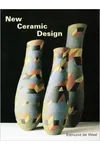
- New Ceramic Design (2000) – A visually rich overview examining contemporary trends and techniques in ceramic art.
- The Hare with Amber Eyes: A Family's Century of Art and Loss (2010) – The award-winning memoir tracking the Ephrussi family's legacy through netsuke.
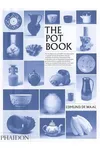
- The Pot Book (2011) – An alphabetical, directory-style compendium documenting over 300 notable ceramic vessels from antiquity to the modern day.
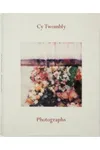
- Cy Twombly - Photographs (2012) – A collaborative text reflecting on the photography of the American artist Cy Twombly.
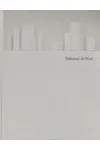
- Edmund de Waal (2014) – A comprehensive self-titled monograph detailing his career, art installations, and creative philosophy.
- The White Road: Journey Into an Obsession (2015) – A historical and personal exploration of the creation and allure of porcelain.
- Letters to Camondo (2021) – A collection of lyrical letters exploring memory, art, and family tragedy through the Musée Nissim de Camondo.
Collections & Art Anthologies
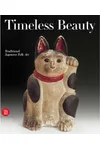
- Timeless Beauty: Traditional Japanese Folk Art (2003) – An anthology celebrating the craftsmanship of traditional Japanese art forms.
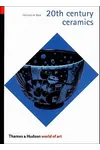
- 20th Century Ceramics (2003) – Published as part of the Thames & Hudson World of Art series, this volume outlines the evolution of global ceramics over the twentieth century.
- Elective Affinities (2019) – A collection reflecting on art history, exhibitions, and the dialogue between different artistic mediums.
- Poor Crisp: Some Shards and Fragments (2021) – A collection of short essays, notes, and fragments detailing the philosophy behind his ceramic creations.
What to Know Before You Start
Before diving into Edmund de Waal's books, it is helpful to understand the distinct style and format of his writing. Rather than traditional biographies, his narrative books read like prose poems or meditative essays. He frequently jumps back and forth in time, connecting the tactile experience of holding an object in the present day with the historical events that surrounded its creation centuries ago.
Here are a few quick tips for readers:
- Standalone friendly: You do not need to read these books in a specific sequence to understand them. Each book stands completely on its own, though reading them in the recommended order helps build a richer picture of his family's history and his artistic obsessions.
- Focus on materiality: De Waal writes about physical things—clay, dust, glaze, wood, and gold. If you appreciate art history and the sensory qualities of physical objects, you will find his detailed descriptions deeply rewarding.
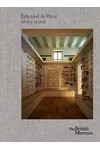
- A companion to exhibitions: Many of his books, such as Letters to Camondo and his installation catalog Library of Exile (2020), directly tie into physical art installations he has created. Seeking out images of his minimalist porcelain installations online can greatly enhance your reading experience.