















Where to Start Your Elmer Kelton Journey
Elmer Kelton is widely celebrated for his authentic, character-driven depiction of the American West. Unlike many classic Western writers who populated their pages with invincible, towering gunslingers, Kelton famously remarked that he wrote about people “five foot eight and nervous.” This grounded, realistic approach makes his work accessible to both die-hard Western fans and readers of general historical fiction.
If you are new to Kelton, you have three excellent entry points depending on your reading style:
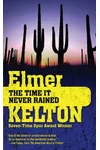
- For the Ultimate Masterpiece: Start with The Time It Never Rained (1973). This standalone novel follows Charlie Flagg, an aging, independent rancher battling the devastating 1950s Texas drought. It is widely considered Kelton's masterpiece and a tour de force of human resilience.
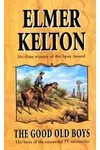
- For Classic Character-Driven Cowboy Tales: Start with The Good Old Boys (1982). This novel introduces Hewey Calloway, a free-spirited cowboy struggling to find his place as modern civilization and the 20th century close in on the open range.
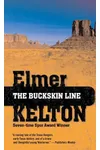
- For an Epic Historical Saga: Start with The Buckskin Line (1999), which kicks off his acclaimed 9-book Texas Rangers series following the evolution of the legendary law enforcement agency.
The Hewey Calloway Series: Chronological vs. Publication Order
The Hewey Calloway books are among Kelton's most beloved works. While they were published over the course of four decades, they can be read in two distinct ways: by publication order or by chronological progression of Hewey's life.
The Chronological Reading Order
To follow Hewey's life sequence from a young, ambitious cowboy to an aging veteran of the plains, use this chronological path:
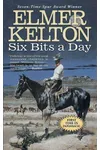
- Six Bits a Day (2005) – Set in 1889, this prequel follows a young, broke Hewey Calloway and his brother Walter as they head to West Texas looking for work.
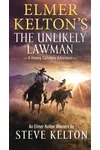
- The Unlikely Lawman (2022) – Written by Elmer's son, Steve Kelton, based on his father's characters, this installment is set in 1904.
- The Good Old Boys (1982) – Set in 1906, this is the foundational book where Hewey faces the closing of the open range and the pressures of domestic life.
- The Smiling Country (1998) – Set in 1910, this novel follows an older Hewey Calloway as he contemplates his fading lifestyle and a changing Texas.
The Publication Reading Order
Reading in publication order allows you to experience the character as Kelton originally created him, before he decided to flesh out his youth in the prequels:
- The Good Old Boys (1982)
- The Smiling Country (1998)
- Six Bits a Day (2005)
- The Unlikely Lawman (2022)
Recommendation: Most readers prefer starting with The Good Old Boys first. It is the strongest narrative anchor of the series, and reading it first makes the historical callbacks in the prequel Six Bits a Day much more rewarding.
The Texas Rangers Series
This is Elmer Kelton's longest sequential narrative series. It follows the history of the Texas Rangers through the eyes of Rusty Shannon, an orphan raised by legendary Ranger captain Texas Jack Hays. The publication order for this series is also the chronological order, meaning you should read them in the order they were written:
- The Buckskin Line (1999)
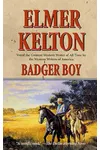
- Badger Boy (2001)
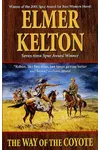
- The Way of the Coyote (2001)
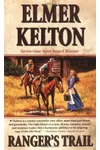
- Ranger's Trail (2002)
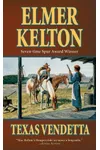
- Texas Vendetta (2004)
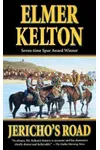
- Jericho's Road (2004)
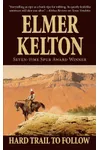
- Hard Trail To Follow (2008)
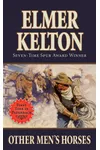
- Other Men's Horses (2009)
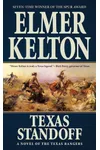
- Texas Standoff (2010)
This series is highly recommended for readers who enjoy detailed historical accuracy, tracing the evolution of Texas from the early Republic through the post-Civil War Reconstruction era.
Sons of Texas Series: The Pseudonym Collaboration
The Sons of Texas books are a generational family saga set against the backdrop of the Texas Revolution. However, there is an important caveat for collectors and completionists regarding authorship. The series was published under the publisher house pseudonym “Tom Early.”
Elmer Kelton wrote only the first three books in the series:
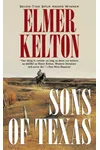
- Sons of Texas (1989)
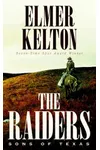
- The Raiders (1989)
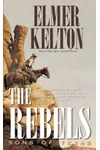
- The Rebels (1989)
Subsequent books in the series (such as The Defiant) were penned by other prominent Western authors, including James Reasoner, Frank Roderus, and Will C. Knott, working under the same pseudonym. If you are reading strictly for Kelton's unique voice, you may want to stick to the original trilogy.
Understanding the "Texas Tradition" Books
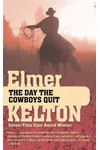
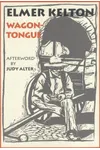
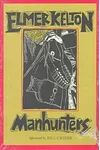
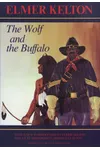
Many online book databases list a series called the Texas Tradition Series, which includes classic Kelton titles like The Day the Cowboys Quit (1971), Wagontongue (1972), Manhunters (1974), and The Wolf and the Buffalo (1980).
It is important to know that this is not a narrative series. Rather, it is a reprint line curated by the Texas Christian University (TCU) Press designed to keep landmark Texas literature in print. These books are entirely standalone stories featuring different characters, eras, and themes. You can read them in absolutely any order you choose.
Minor Series and Thematic Groups
Kelton also wrote a couple of shorter, thematic series that require minimal commitment:
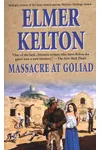
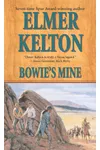
- The Buckalew Family: A brief two-book historical series consisting of Massacre at Goliad (1965) and After the Bugles (1967). These books follow the struggles of the Buckalew family during the Texas War of Independence and its immediate aftermath. (Note that his standalone novel Bowie's Mine is occasionally associated with this family history but stands on its own).
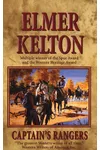
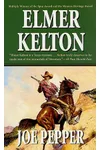
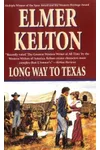
- Tales of Texas: A loose thematic trilogy consisting of Captain's Rangers (1968), Joe Pepper (1975), and Long Way to Texas (1976). These novels share the common thread of early Texas history and law enforcement but do not feature overlapping character storylines. They can be read as standalone works.
What to Know Before You Start
Kelton's strength lies in his deep local knowledge. Having grown up on West Texas ranches and spent decades as an agricultural journalist, his descriptions of ranch life, livestock, water rights, and droughts are incredibly precise. He does not romanticize the frontier; instead, he explores the complex, often tragic clashes between different cultures—Native Americans, Anglo settlers, and Black Buffalo Soldiers—with a fair and empathetic hand. When you read Kelton, expect historical nuance, slow-burn character development, and a true love for the rugged Texas soil.