

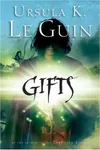
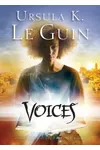
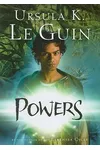
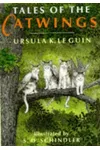
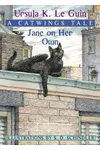
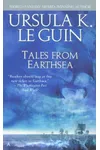
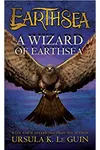
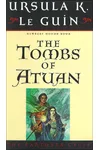
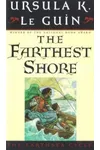
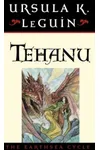
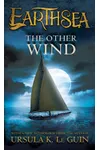
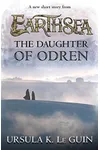
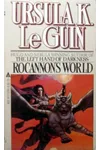
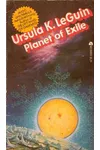
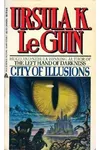
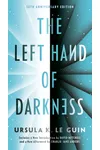
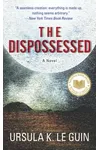
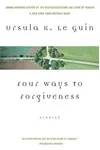
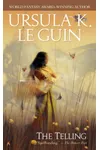
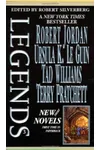
Picture an American storyteller who spun worlds where dragons soared and gender dissolved—meet Ursula K. Le Guin! Born in 1929, this visionary author reshaped science fiction and fantasy with her lyrical prose and bold ideas. From the wizardry of Earthsea to the icy ambiguity of The Left Hand of Darkness, Le Guin invited readers to question everything.
Her stories weren’t just escapes; they were mirrors reflecting humanity’s deepest questions about identity, power, and society. With a playful intellect and a poet’s touch, Le Guin became a literary giant whose influence still sparkles today.
The Making of Ursula K. Le Guin
Born Ursula Kroeber in Berkeley, California, on October 21, 1929, Le Guin grew up in a family steeped in curiosity. Her father, anthropologist Alfred Kroeber, studied cultures, while her mother, Theodora, wrote about Native American lives. This vibrant intellectual backdrop shaped young Ursula’s fascination with diverse perspectives. After studying Renaissance literature at Radcliffe and Columbia, she began writing in the 1960s, blending her love for myth and anthropology into speculative fiction.
Ursula K. Le Guin’s Unforgettable Stories
Le Guin’s Earthsea series, starting with A Wizard of Earthsea (1968), introduced a magical archipelago where wizards grappled with balance and power. Its hero, Ged, learns humility through mistakes, a refreshing twist on the invincible protagonist. The series’ Taoist undertones and vivid world-building captivated readers of all ages.
In The Left Hand of Darkness (1969), Le Guin shattered sci-fi norms. Set on a planet where inhabitants shift genders, the novel explores love, politics, and identity through an outsider’s eyes. Its lyrical depth and radical ideas won both Hugo and Nebula Awards. Other gems like The Dispossessed (1974) tackled anarchism and utopia, showcasing her knack for blending philosophy with gripping narratives.
Le Guin’s style was poetic yet accessible, weaving anthropology, feminism, and spirituality into tales that felt timeless. She avoided heavy-handed morals, letting readers ponder alongside her characters. Her short stories, like 'The Ones Who Walk Away from Omelas,' packed profound ethical dilemmas into compact, haunting prose.
Why Ursula K. Le Guin Matters
Le Guin didn’t just write stories; she expanded what speculative fiction could be. By centering non-Western philosophies and challenging gender norms, she paved the way for diverse voices in sci-fi and fantasy. Authors like Neil Gaiman and N.K. Jemisin cite her as a beacon, while her essays on writing and feminism remain must-reads. Her work endures because it asks timeless questions: What makes us human? How do we live well?
- Born: October 21, 1929, Berkeley, California
- Key Works: A Wizard of Earthsea, The Left Hand of Darkness, The Dispossessed
- Awards: Hugo, Nebula, Locus, and National Book Foundation Medal
Snag A Wizard of Earthsea or The Left Hand of Darkness and dive into Le Guin’s mesmerizing blend of wonder and wisdom!