















The Recommended Reading Path: Why Publication Order Wins
For readers diving into the cerebral espionage world of Anthony Price, the ultimate consensus among long-time fans and literary critics is clear: read the series in order of publication. Although Price’s nineteen novels frequently jump back and forth in time, the author constructed the overarching narrative, character relationships, and the gradual peeling back of his protagonists' histories with a specific release flow in mind.
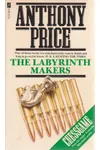
Reading in publication order ensures that you experience the evolution of the Department (the specialized, history-focused intelligence unit within the British Ministry of Defence) exactly as Price's original readership did. It preserves the impact of major character introductions, strategic plot reveals, and stylistic shifts. The first published book, The Labyrinth Makers (1970), serves as the essential introduction to the series’ core themes, setting up the intellectual battles of wits that define the entire saga.
Publication Order of the Dr. David Audley & Colonel Jack Butler Series
If you choose to follow the path originally laid out by Anthony Price, here is the complete sequence of his spy thrillers by publication year:
- The Labyrinth Makers (1970) – Introduces Dr. David Audley and the Soviet mastermind Nikolai Panin as they clash over a salvaged WWII transport plane.
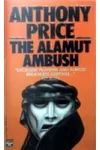
- The Alamut Ambush (1971) – Focuses on Hugh Roskill and Allan Jenkins as they investigate a deadly car bombing linked to Middle Eastern assassination plots.
- Colonel Butler's Wolf (1972) – Shifts the spotlight to Colonel Jack Butler as he investigates potential Soviet sleeper agents infiltrating British universities.
- October Men (1973) – Explores David Audley’s suspicious activities in Rome from the perspective of Italian intelligence officer Pietro Boselli.
- Other Paths to Glory (1974) – The Gold Dagger-winning masterpiece that follows academic Paul Mitchell as he and Audley unravel a modern conspiracy tied to the battlefields of World War I.
- Our Man in Camelot (1975) – Blends Arthurian legend with Cold War espionage as a CIA agent is manipulated into searching for the legendary Battle of Badon.
- War Game (1976) – Connects a historical English Civil War reenactment to a modern-day conspiracy and double-dealing.
- The '44 Vintage (1978) – The first major historical flashback, exploring Audley's wartime origins in 1944.
- Tomorrow's Ghost (1979) – A tense, psychologically driven entry focusing on the investigation of Audley's own wife, Faith.
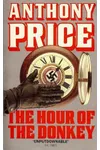
- The Hour of the Donkey (1980) – A prequel set during the chaotic British retreat to Dunkirk in 1940, introducing a young Captain Jack Butler.
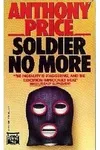
- Soldier No More (1981) – A prequel set in 1957, exploring the aftermath of the Suez Crisis and Audley’s early recruitment struggles.
- The Old Vengeful (1982) – Centers on a naval history mystery involving a nineteenth-century warship and modern espionage.
- Gunner Kelly (1983) – A thriller focusing on a retired soldier and a localized conspiracy in the English countryside.
- Sion Crossing (1984) – Combines the history of the American Civil War with a dangerous operation in modern-day Georgia.
- Here Be Monsters (1985) – Explores internal power struggles and paranoia within the intelligence services.
- For the Good of the State (1986) – A complex web of negotiations and betrayals between British, American, and Soviet agents.
- A New Kind of War (1987) – A prequel set in 1945, bridging the gap between WWII and the dawn of the Cold War.
- A Prospect of Vengeance (1988) – Links a decades-old murder to modern-day espionage and personal vendettas.
- The Memory Trap (1989) – The final novel in the series, tying together long-running character arcs and historical loose ends.
The Chronological Timeline: Tracking the Historical Milestones
For readers who have already navigated the series once, or who prefer a linear timeline of events, reading by internal chronology offers a fascinating alternative. Anthony Price was a trained military historian, and he used this expertise to craft deep backstory prequels that take place decades before the main Cold War timeline. Reading chronologically reorganizes the books as follows:
- The Hour of the Donkey (set in 1940)
- The '44 Vintage (set in 1944)
- A New Kind of War (set in 1945)
- Soldier No More (set in 1957)
- The Labyrinth Makers (set in 1969)
- The Alamut Ambush (set in 1970)
- Colonel Butler's Wolf (set in 1971)
- October Men (set in 1972)
- Other Paths to Glory (set in 1973)
- Our Man in Camelot (set in 1974)
- War Game (set in 1975)
- Tomorrow's Ghost (set in 1978)
- The Old Vengeful (set in 1981)
- Gunner Kelly (set in 1982)
- Sion Crossing (set in 1983)
- Here Be Monsters (set in 1985)
- For the Good of the State (set in 1985)
- A Prospect of Vengeance (set in 1987)
- The Memory Trap (set in 1988)
The Caveats of Chronological Reading
While the chronological order is clean on paper, it comes with a major warning for new readers. Starting with the WWII-era prequels like The Hour of the Donkey or The '44 Vintage can disrupt the mystery surrounding the characters. Price originally wrote the early books presenting Dr. David Audley as a complex, middle-aged eccentric whose past was shrouded in mystery. The prequels were written to answer questions that readers had been asking for a decade. Reading them first ruins the slow-burn reveals and character development that make the contemporary novels so compelling.
Where Should You Start?
The Premier Entry: The Labyrinth Makers
Without a doubt, The Labyrinth Makers is the best place to start. It introduces the main protagonist, the bulky, cynical, book-loving Dr. David Audley, and establishes the unique formula of the series: a seemingly minor historical mystery (in this case, a WWII plane crash) that turns out to have major Cold War security implications. It also introduces his long-term rival, the brilliant Soviet officer Nikolai Panin.
The Standalone Alternative: Other Paths to Glory
If you want to sample Price’s writing style before committing to the whole series, Other Paths to Glory is highly recommended. It won the CWA Gold Dagger and is widely considered one of the finest spy novels ever written. Although it is the fifth book in the series, it functions exceptionally well as a standalone story, focusing on WWI military history and introducing the popular recurring character Paul Mitchell.
Key Features and Tone of the Series
Unlike the action-heavy, gun-toting adventures of James Bond, Anthony Price’s novels are deeply intellectual, dialogue-driven procedurals. They are closer in tone to the works of John le Carré, but with a lighter, more academic flavor. The characters are historians, archaeologists, and military officers who spend more time arguing in libraries and analyzing old battle maps than engaging in physical combat. Price rotates the point-of-view character in almost every novel, meaning that you see the central figures—Audley and Butler—through the eyes of their subordinates, allies, and enemies, providing a multi-faceted view of their complex personalities.
Spin-offs, Adaptations, and Non-Fiction
In 1983, Granada Television adapted the first three novels (The Labyrinth Makers, The Alamut Ambush, and Colonel Butler's Wolf) into a six-part television series titled Chessgame, starring Terence Stamp as a memorably eccentric David Audley. Additionally, Anthony Price wrote one work of non-fiction, The Eyes of the Fleet: A Popular History of Frigates and Frigate Captains 1793-1815 (published in 1990), which, while not a spy novel, highlights the deep historical passion that fueled his fiction.