









Where to Begin: The Recommended Starting Path
For most readers, the absolute best entry point into Christopher Stasheff’s works is The Warlock in Spite of Himself (1969). Although the prequel Escape Velocity (1983) is chronologically first, starting with the original 1969 release is highly recommended. Beginning here introduces you to the core protagonist, Rod Gallowglass, and the planet Gramarye naturally, without the lore-heavy build-up found in the prequel. Once you have established your footing, you can circle back to the prequel or continue directly through the main series.
The DDT-Verse: Chronological vs. Publication Order
A significant portion of Stasheff's bibliography exists in a shared setting called the DDT-verse (named after the Decentralized Democratic Tribunal). This setting spans the Warlock of Gramarye series, the Rogue Wizard spin-off, and the Warlock's Heirs subseries. Because books were written out of chronological order, readers often debate the best sequence. Below is the breakdown of how these series connect and how you should read them.
1. The Warlock of Gramarye Series
This is the core series following Rod Gallowglass, an agent sent to a medieval colony planet where magic appears to be real. While the publication years skip around, the recommended order for this segment is:
- The Warlock in Spite of Himself (1969) – The essential starting point.
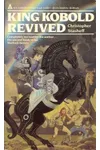
- King Kobold Revived (1984) – Note: Stasheff originally published this as King Kobold in 1971. Dissatisfied with continuity errors and formatting, he completely rewrote and republished it in 1984. Always read the "Revived" version.
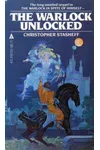
- The Warlock Unlocked (1982)
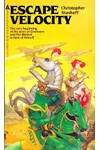
- Escape Velocity (1983) – A prequel novel explaining the history of Gramarye and Rod's ancestors. Best read here as a flashback, or first if you strictly prefer chronological order.
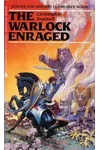
- The Warlock Enraged (1985)
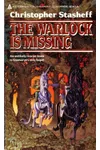
- The Warlock Is Missing (1986)
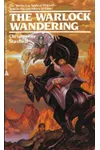
- The Warlock Wandering (1986)
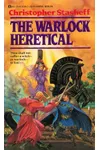
- The Warlock Heretical (1987)
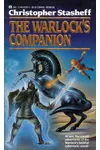
- The Warlock's Companion (1988)
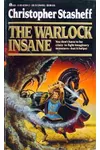
- The Warlock Insane (1989)
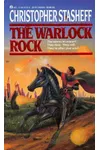
- The Warlock Rock (1990)
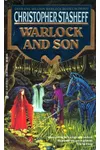
- Warlock and Son (1991)
- The Warlock's Last Ride (2004) – The final novel wrapping up Rod's main narrative arc.
2. Rogue Wizard Series
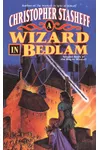
This spin-off follows Rod’s eldest son, Magnus Gallowglass (using the alias Gar), as he travels to other lost colony worlds to help overthrow tyrants and foster democracy. While A Wizard in Bedlam was published way back in 1979 as a standalone, Stasheff retroactively integrated it as the third book when he officially launched the Rogue Wizard series in 1993. The chronological reading order is:
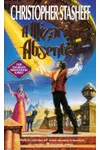
- A Wizard in Absentia (1993)
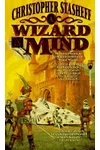
- A Wizard in Mind (1995)
- A Wizard in Bedlam (1979) – Retroactively placed here.
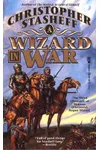
- A Wizard in War (1995)
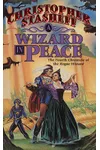
- A Wizard in Peace (1996)
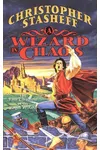
- A Wizard in Chaos (1997)
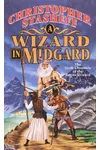
- A Wizard in Midgard (1998)
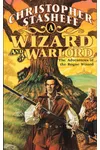
- A Wizard and a Warlord (2000)
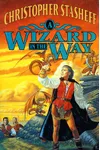
- A Wizard in the Way (2000)
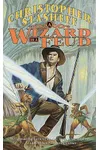
- A Wizard in a Feud (2001)
3. Warlock's Heirs Series
Running concurrently to Magnus's travels, this subseries focuses on the other Gallowglass children who remain on Gramarye. You can read these directly after the main Warlock series:
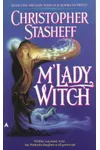
- M'Lady Witch (1994)
- Quicksilver's Knight (1995)
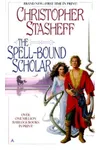
- The Spell-Bound Scholar (1999)
- Here Be Monsters (2001)
A Wizard in Rhyme Series
Set in an entirely separate universe, this portal fantasy features Matt Mantrell, a graduate student who gets transported to a world where reciting poetry is the source of all magical spells. This series has no complex chronological quirks and should be read in publication order:
- Her Majesty's Wizard (1986)
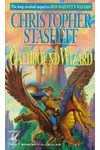
- The Oathbound Wizard (1993)
- The Witch Doctor (1994)
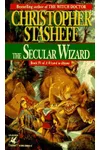
- The Secular Wizard (1995)
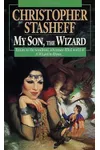
- My Son, the Wizard (1997)
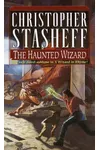
- The Haunted Wizard (2000)
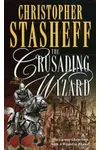
- The Crusading Wizard (2000)
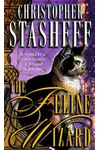
- The Feline Wizard (2000)
Other Series, Spin-offs, and Co-authored Projects
Starship Troupers
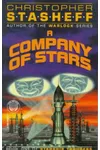
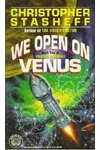
A lighthearted science fiction trilogy about a theater troupe fleeing a puritanical Earth to perform across the galaxy. Read these in order: A Company of Stars (1991), We Open on Venus (1991), and A Slight Detour (1994).
The Star Stone
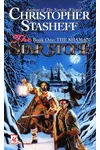
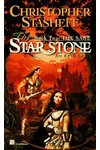
An epic fantasy consisting of two books: The Shaman (1995) and The Sage (1996). Note that many old online databases list a third book called The Seaman (1997); however, this is a well-documented "ghost entry" error, and no such book exists.
Saint Vidicon to the Rescue (2005)
This standalone novel links directly back to the lore of the Warlock series. It follows the modern-day troubleshooter of the Order of Saint Vidicon of Cathode, the tech-minded patron saint first mentioned in Gramarye's background history.
Co-Authored Worlds & Anthologies
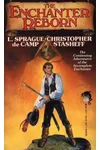
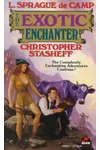
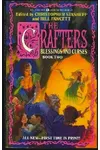
Stasheff frequently collaborated with other sci-fi legends. He co-edited the continuation of the classic Harold Shea / Incompleat Enchanter shared world with L. Sprague de Camp, releasing The Enchanter Reborn (1992) and The Exotic Enchanter (1995). He also co-edited The Crafters anthologies (including 1992's Blessings and Curses) with Bill Fawcett, and co-wrote the military sci-fi novel End Run (1993) with William R. Forstchen for the Wing Commander franchise.
What to Know Before You Start
Stasheff's stories are heavily theatrical, relying on puns, comedic timing, and swashbuckling tropes. However, underneath the humor lies a persistent exploration of political systems, justice, and the responsibilities of democracy. While some of the mid-series Warlock books can feel episodic, the character growth of the Gallowglass children across the spin-offs rewards readers who stick around for the long haul.