



























Where to Start Reading David Robbins
Navigating the massive bibliography of David Robbins can feel like attempting to traverse a trackless frontier. With more than 300 books written under his own name and a variety of pseudonyms, Robbins has contributed to some of the most enduring series in modern pulp and genre fiction. Fortunately, his catalog generally falls into distinct worlds, making it easy to choose a starting point depending on your favorite genre.
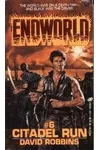
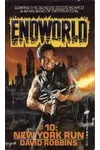
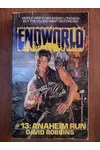
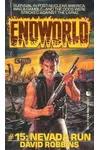
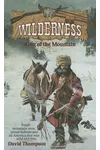
If you love post-apocalyptic action and survivalist sci-fi, your starting point is the Endworld series, beginning with The Fox Run (1986). For fans of rugged frontier adventures, historical realism, and mountain-man sagas, the absolute best place to start is the Wilderness series (written under the pseudonym David Thompson), starting with King of the Mountain (1990).
The Post-Apocalyptic Saga: Endworld and Blade
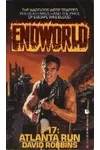
The Endworld series is Robbins' signature post-apocalyptic saga, detailing the struggles of "The Family"—a community of survivors living in a high-tech subterranean sanctuary called the Home—as they emerge to reclaim a devastated, mutant-filled American wasteland. The series spans over 30 novels and is praised by fans for its relentless pace and gritty survivalism. The recommended reading path is to follow the publication order, beginning with the original run:
- The Fox Run (1986)
- Thief River Falls Run (1986)
- Twin Cities Run (1986)
- The Kalispell Run (1987)
In 2009, Robbins expanded the universe with the prequel novel Doomsday, which details the nuclear holocaust that precipitated the apocalypse. While it serves as a prequel, we recommend reading it after you have familiarized yourself with the main series to appreciate the backstory of the Home's founders.
The Blade Spin-off Series
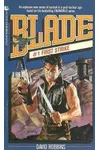
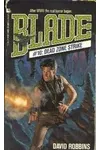
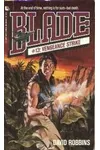
Sharing the same universe is the 13-novel spin-off series, Blade, which launched in 1989 with First Strike. This subseries focuses directly on the combat exploits of Blade, the primary warrior and protector of the Home. The Blade books can be read alongside the main Endworld series or as a standalone action showcase. Note that this series should not be confused with the unrelated 1970s fantasy/dimension-travel series of the same name written under the house pseudonym "Jeffrey Lord."
The Historical Frontier: Wilderness and Mountain Majesty
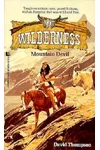
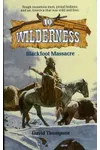
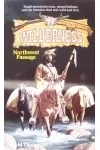
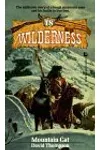
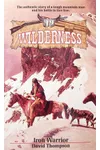
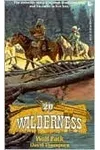
Under the pseudonym David Thompson, Robbins wrote the highly acclaimed Wilderness series. Spanning over 80 books, this historical adventure follows the life of mountain man Nathaniel King, his Shoshone wife Winona, and their family as they build a life in the untamed Rocky Mountains of the 1830s. Because these books follow the chronological progression of the King family's life, the publication order and chronological order are identical. You should start with book one and read them in sequence:
- King of the Mountain (1990)
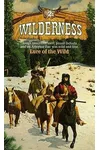
- Lure of the Wild (1991)
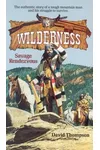
- Savage Rendezvous (1991)
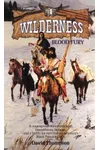
- Blood Fury (1991)
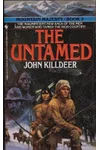
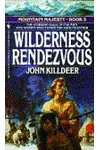
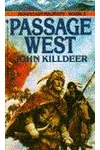
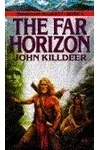
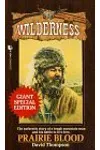
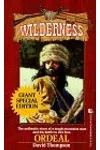
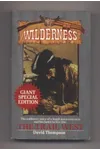
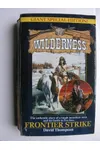
If you enjoy the style of Wilderness, Robbins also wrote the 8-novel Mountain Majesty series under his own name (starting with Wild Country in 1992) and the Giant Wilderness books, which provide larger-scale frontier epics in the same historical vein.
The Shared Ancestry Connection
An interesting detail for completionists is that Robbins has revealed his historical westerns and his post-apocalyptic future are loosely connected. Characters in the Wilderness and White Apache series are intended to be the historical ancestors of the characters who later populate the Home in Endworld. While the stories are independent, this connection adds a rewarding layer of continuity for long-term readers.
Writing Under House Names: The Trailsman, Mack Bolan, and Ralph Compton
Much of Robbins' massive book count comes from his contributions to long-running franchise series using house pseudonyms or ghostwriting agreements. Navigating these requires understanding his role in each franchise:
The Trailsman and Canyon O'Grady (As Jon Sharpe)
Robbins contributed heavily to The Trailsman, a massive adult western series starring Skye Fargo. Writing under the house name Jon Sharpe, Robbins wrote over 100 entries in this series, as well as the spin-off series Canyon O'Grady (featuring a red-haired Irish government agent). Since these books are episodic, they do not require a strict reading order and can be enjoyed as standalone western adventures.
Mack Bolan and Stony Man (As Don Pendleton)
Robbins served as a prominent ghostwriter for the iconic men's action-adventure franchise Mack Bolan (The Executioner) and its spin-off Stony Man. Published under the creator's name, Don Pendleton, Robbins penned numerous entries in these series during the Gold Eagle publishing era (including titles like Stony Man Doctrine). These books are best read by action-adventure enthusiasts looking for high-octane military combat, though they require no strict chronological order due to their episodic nature.
Ralph Compton Westerns
Following the death of western author Ralph Compton in 1998, publishers commissioned Robbins to continue writing new western novels under Compton's name to preserve the brand. Robbins authored popular entries in this series, such as For the Brand (2005) and By the Horns (2006). These stand alone as classic, gritty westerns.
Other Genre Explorations and Standalones
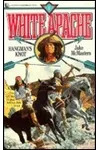
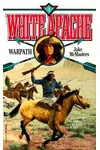
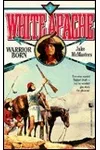
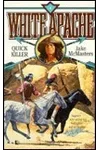
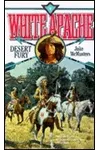
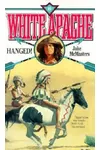
Beyond his signature westerns and post-apocalyptic sagas, Robbins has written under the name Jake McMasters for the 10-book White Apache series, and penned standalone horror and suspense novels under his own name. Notable among these is the werewolf thriller The Wereling (1983) and the horror novel Blood Cult (1981).
For readers who want a break from long series, these standalones offer a quick look at Robbins' ability to build tension, writing leaner, faster-paced narratives outside his traditional frontier settings.