





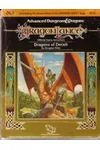
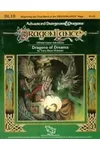
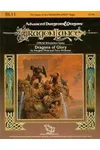

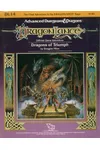
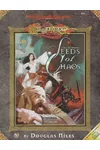
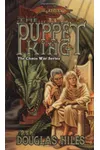
Where to Start with Douglas Niles
If you are new to the work of Douglas Niles, the absolute best place to begin is the Moonshae Trilogy. As the very first novel series published for the Forgotten Realms campaign setting, it serves as a historic milestone in fantasy literature. The story introduces the Celtic-inspired Moonshae Isles, a setting rich with druidic magic, Norse-inspired invaders, and a classic conflict between the forces of the Earthmother and the corrupting Beast. Beginning with Darkwalker on Moonshae is highly recommended because it offers an accessible, self-contained adventure that requires no prior knowledge of Dungeons & Dragons lore.
The Forgotten Realms Campaigns
Niles's contributions to the Forgotten Realms are divided into three distinct trilogies. Reading these in their respective publication orders is essential for following the overarching narrative arcs.
The Moonshae Isles Saga
The story of the Moonshae Isles spans two interconnected trilogies. For the complete experience, read them in this sequence:
- The Moonshae Trilogy:
- Darkwalker on Moonshae (1987)
- Black Wizards (1988)
- Darkwell (1989)
- The Druidhome Trilogy:
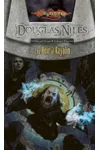
- Prophet of Moonshae (1992)
- The Coral Kingdom (1992)
- The Druid Queen (1993)
The Druidhome Trilogy serves as a direct sequel series, taking place years after the events of the original Moonshae Trilogy and focusing on the next generation of characters. Reading Moonshae first is highly recommended to fully appreciate the character growth and world changes in Druidhome.
The Maztica Trilogy
Set in a Mesoamerican-inspired continent far to the west of Faerûn, this trilogy explores cultural clashes, colonizing forces, and unique magic systems. It is independent of the Moonshae books and can be read on its own:
- Ironhelm (1990)
- Viperhand (1990)
- Feathered Dragon (1991)
Dragonlance Chronicles and Krynn History
As a co-creator of the Dragonlance universe, Niles wrote several standalone entries, anthologies, and subseries. Because Krynn has a complex timeline, understanding where these books fit is key.
The Icewall Trilogy
This trilogy is set in the frozen southern reaches of Krynn. Note that some databases list these in an incorrect publication order due to cataloging shifts. To follow the narrative of the elf-ogre conflict, read them in chronological narrative order:
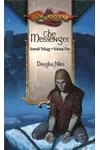
- The Messenger (2001)
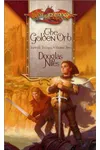
- The Golden Orb (2002)
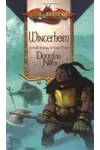
- Winterheim (2003)
The Elven Nations Trilogy
This historical trilogy explores the ancient split between the Silvanesti and Qualinesti elven factions. Niles wrote the middle volume, which is best read as part of the full trilogy:
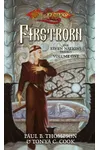
- Firstborn (1991) – by Paul B. Thompson and Tonya C. Cook
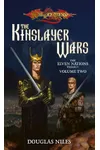
- The Kinslayer Wars (1991) – by Douglas Niles
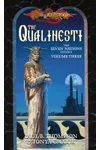
- The Qualinesti (1991) – by Paul B. Thompson and Tonya C. Cook
The Dwarf Home Trilogy
This series centers on the history of Krynn's dwarves. Chronologically, the narrative starts with Pax Tharkas:
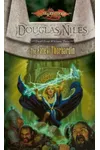
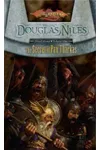
- The Secret of Pax Tharkas (2007)
- The Heir of Kayolin (2008)
- The Fate of Thorbardin (2010)
Other Dragonlance Contributions
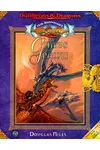
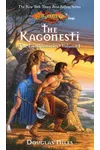
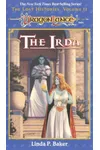
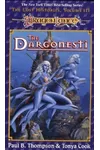
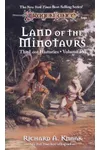
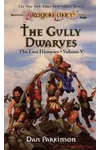
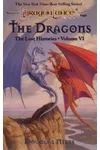
- Lost Histories: Niles wrote key entries here, including The Kagonesti (1995), The Irda (1995), The Dargonesti (1995), Land of the Minotaurs (1995), The Gully Dwarves (1996), and The Dragons (1996). These are standalone historical guides to the races of Krynn and can be read in any order.
- The Rise of Solamnia: A trilogy comprising Lord of the Rose (2005), The Crown and the Sword (2006), and The Measure and the Truth (2007).
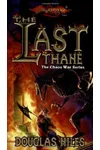
- Individual Tie-ins: Niles contributed to major shared events, such as The Last Thane (Chaos War series) and Wizards' Conclave (Age of Mortals series).
Original Fantasy Worlds
For readers who want to step outside of D&D settings, Niles has crafted two excellent standalone trilogies.
The Watershed Trilogy
This series features a unique world divided by three distinct types of magical and deadly waters. It must be read in order:
- A Breach in the Watershed (1995)
- Darkenheight (1996)
- War of Three Waters (1997)
The Seven Circles Trilogy
An epic fantasy rooted in mythological realms and cosmic structure, detailing a struggle to preserve the balance of the circles:
- Circle at Center (2000)
- World Fall (2001)
- The Goddess Worldweaver (2003)
Alternate History and Historical Fiction
Later in his career, Niles shifted focus to alternate military history, collaborating with Michael Dobson on WWII scenarios and writing standalone historical thrillers.
- The Fox Series (with Michael Dobson): Fox on the Rhine (2000) and its sequel Fox at the Front (2003) detail a timeline where the assassination plot against Hitler succeeds, altering the final months of the war.
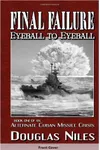
- The Cuban Missile Crisis: Final Failure: Eyeball to Eyeball (2012) explores a cold war scenario that escalates into hot conflict.
- Standalone Historicals: MacArthur's War (2007) and a non-fiction historical exploration, A Noble Cause (2015).
Interactive Storytelling: Modules and Gamebooks
Reflecting his wargaming roots, Niles was a legendary developer of D&D modules. His work includes the famous Against the Cult of the Reptile God (1982), The Isle of Dread (1983, co-authored), and the Dungeoneer's Survival Guide (1986). He also wrote multiple interactive adventure gamebooks for the Super Endless Quest line, starting with Prisoners of Pax Tharkas (1985), which allowed readers to make choices and roll dice in Krynn.
What to Know Before You Start
When diving into Niles's D&D fiction, remember that these are shared-world novels. While series like the Moonshae and Druidhome trilogies form a continuous narrative arc, others like the Lost Histories or his contributions to Preludes (such as Flint the King) are designed to flesh out backstories or companion details. You do not need to read the entire Dragonlance library to enjoy The Icewall Trilogy, but having a general understanding of the War of the Lance will enhance your reading experience. For the crossover trilogy The Lost Gods, note that Niles only authored the middle book, Fistandantilus Reborn (1997), while Kate Novak and Jeff Grubb penned the surrounding Forgotten Realms books.