
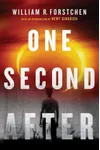

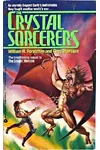
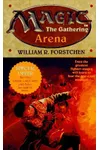

Picture an American storyteller who turned a chilling what-if scenario into a national wake-up call—meet William R. Forstchen! Born in 1950, this historian, professor, and author has penned over 50 books, blending military history, speculative fiction, and gripping thrillers. His New York Times bestseller One Second After sparked conversations in Congress, making him a literary force who doesn’t just entertain but challenges us to think.
With a Ph.D. from Purdue University and a knack for making complex history accessible, Forstchen’s work dives into alternate histories, post-apocalyptic futures, and the human spirit’s resilience. Whether he’s co-writing with Newt Gingrich or flying his WWII-era plane, his passion for storytelling shines through.
The Making of William Forstchen
Born in Millburn, New Jersey, on October 11, 1950, Forstchen grew up with a love for history and storytelling. After attending Hightstown High School, he earned his B.A. from Rider College and later pursued graduate studies at Purdue University, where he studied under military historian Gunther E. Rothenberg. His doctoral dissertation on the 28th United States Colored Troops became the basis for his award-winning novel We Look Like Men of War. Before becoming a full-time professor at Montreat College, Forstchen taught history in Maine, honing his ability to bring the past to life.
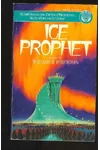
His early career in science fiction, starting with Ice Prophet in 1983, laid the groundwork for his diverse bibliography. Inspired by his academic rigor and real-world adventures—like archaeological digs in Mongolia—Forstchen’s writing reflects a unique blend of research and imagination.
William Forstchen’s Unforgettable Stories
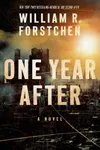
Forstchen’s bibliography is a treasure trove of genres, from historical fiction to near-future thrillers. His most famous work, One Second After (2009), imagines the aftermath of an electromagnetic pulse (EMP) attack on the U.S., blending meticulous research with heart-wrenching human drama. The novel, part of the John Matherson series, hit the New York Times bestseller list and was cited in Congress for its realistic portrayal of societal collapse. Sequels One Year After (2015) and The Final Day (2017) continued the saga, cementing his reputation for thought-provoking narratives.
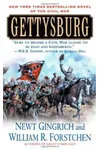
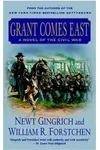
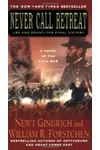
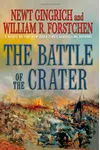
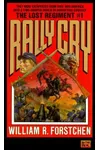
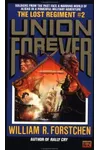
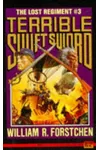
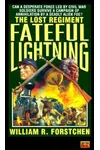
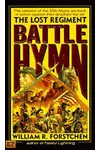
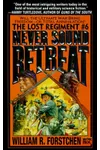
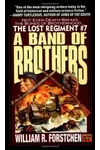
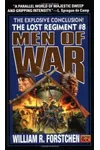
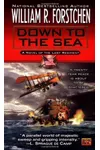
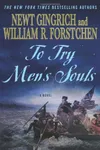
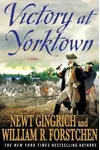
Collaborations with Newt Gingrich produced alternate history gems like the Gettysburg trilogy, which reimagines the Civil War, and novels about George Washington’s Revolutionary War struggles, such as To Try Men’s Souls (2009). Forstchen’s Lost Regiment series, a sci-fi epic about Civil War soldiers transported to an alien world, showcases his ability to merge historical detail with speculative flair. His young adult novel We Look Like Men of War (2001) offers a poignant look at African-American soldiers during the Civil War, drawing from his doctoral research.
Known for his accessible prose and deep historical insight, Forstchen crafts stories that feel both thrilling and eerily plausible. His themes often explore resilience, sacrifice, and the fragility of modern society, resonating with readers who crave both adventure and reflection.
Why William Forstchen Matters
Forstchen’s impact goes beyond bestseller lists. One Second After didn’t just entertain—it sparked national discussions on EMP vulnerabilities, influencing policymakers and inspiring the prepper movement. His ability to weave historical accuracy into speculative fiction has earned praise from military historians and authors like W.E.B. Griffin. As a professor at Montreat College, he inspires students to engage with history, while his public speaking and media appearances make complex issues approachable.
His adventurous spirit—flying a WWII recon plane and excavating ancient sites—infuses his work with authenticity. Forstchen’s legacy lies in his ability to entertain, educate, and provoke thought, making him a vital voice in speculative and historical fiction.
- Born: October 11, 1950, Millburn, New Jersey
- Key Works: One Second After, We Look Like Men of War, Gettysburg trilogy
- Notable: Ph.D. from Purdue University; flies a WWII-era plane
Snag One Second After and dive into William Forstchen’s thrilling, thought-provoking world!